“Rising beyond oneself.”
Nietzsche does not speak of peace.
He does not speak of letting go.
He does not speak of breath.
He does not speak of mindfulness.
He speaks of rising beyond oneself.
Not rising above others.
Not rising above society.
Not rising above circumstances.
But rising above the smaller version of ourselves —
the version ruled by fear,
bound by habit,
limited by ego,
held back by the past.
Nietzsche says:
“Become who you are.”
It sounds simple,
yet it is one of the greatest challenges of a lifetime.
Because to become ourselves,
we must pass through many layers:
the layer of expectations
the layer of family conditioning
the layer of society
the layer of fear
the layer of comparison
the layer of who we think we “should” be
Nietzsche does not ask us to destroy these layers.
He simply asks us not to stop at them.
Nietzsche says humans have three stages:
1. The Camel — carrying everything others place on its back
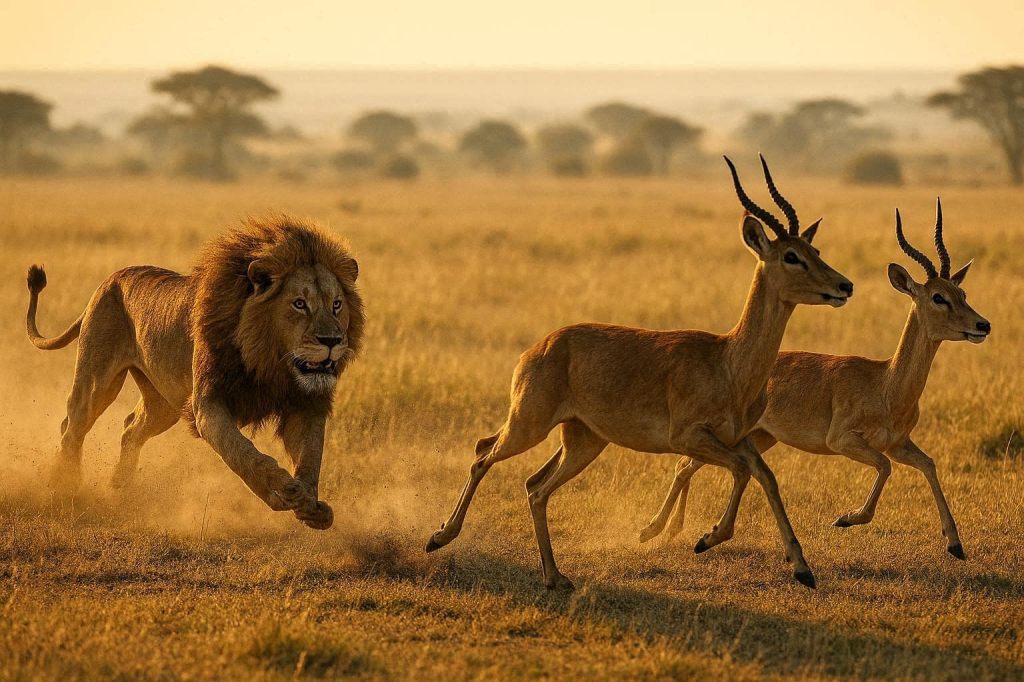
2. The Lion — daring to say “no” to what is not theirs
3. The Child — free, creative, living from essence
Most of us live our whole lives as camels:
carrying responsibilities, expectations, fears,
and burdens that are not ours.
Some become lions:
daring to refuse,
to break patterns,
to stand up.
But very few become children —
because to become a child,
we must rise beyond ourselves.
Nietzsche does not teach gentle living.
He teaches inner strength.
Not strength to defeat others.
Strength to not be defeated by ourselves.
He says:
“He who has a why to live can bear almost any how.”
We are not strong because life is easy.
We are strong because we know why we live.
Nietzsche does not deny pain.
He walks straight into it.
He says:
“What does not kill me makes me stronger.”
This is not encouragement to endure blindly.
It is a reminder:
Pain is not the enemy.
Pain is the material from which we grow.
Not to become harder,
but to become deeper.
Nietzsche does not ask us to become superhuman.
He asks us not to live small.
Not to live by fear.
Not to live by habit.
Not to live by others’ expectations.
Not to live as a shadow of ourselves.
He says:
“No one can build you the bridge
on which you must cross the river of life.”
We must walk.
We must face.
We must rise.
Not to prove anything.
But to become who we truly are.
If Eckhart Tolle helps us see the noise in the mind,
Krishnamurti helps us see the chooser,
Thích Nhất Hạnh brings us back to the breath,
Osho helps us loosen our grip,
Sadhguru helps us stand steady within,
then Nietzsche helps us rise —
so we do not live a small life
shaped by fear.
To rise beyond oneself —
that is the greatest freedom.
Friedrich Nietzsche — Becoming Who You Truly Are
• Full name: Friedrich Wilhelm Nietzsche
• 1844–1900
• Born: Röcken, Germany
• Spiritual background / influences:
Not religious (strong critic of traditional Christianity).
Influenced by:
– Greek philosophy
– Schopenhauer
– Wagner (early years)
Central ideas:
– the Übermensch (rising beyond oneself)
– the will to power
– breaking old values to create new ones
One of the most influential — and misunderstood — philosophers in history.
Impact on the modern world
Nietzsche speaks directly to modern fears:
• living by expectation
• fear of judgment
• fear of difference
• fear of failure
• fear of inadequacy
• fear of not being loved
• fear of living an insignificant life
He helps people:
• dare to be authentic
• dare to be different
• dare to break patterns
• dare to face their darkness
• dare to rise beyond themselves
• dare to create their own values
• dare to live a meaningful life
In a society that loves sameness,
Nietzsche teaches uniqueness.
In a world that loves safety,
he teaches the courage to enter one’s own depths.
Sometimes, that is where we find our truest self.


Bình luận về bài viết này