A trip – and the swift passing of a lifetime
Last weekend, I returned with an old friend to the road we had traveled 45 years ago, when both of us were just in our early twenties, heading into the mountains to begin our work there.
(My friend was a Christian; I was not.)
Back then, it was the beginning of Lent.
Today, as we returned, it was Pentecost Sunday – the end of the Easter season.
I said to my friend:
“Just in the blink of an eye… nearly half a century has passed. We won’t be able to create another blink like that again.”
That simple sentence opened within me a stream of reflection on Resurrection—not as a ritual, but as the journey of my own life.
1. To resurrect, there must be death. To die, one must first be human.
I realized something very fundamental:
Resurrection only has meaning when one is truly human.
A human being:
• is born
• is carried and nurtured
• is loved and wounded
• lives and must die
Even Jesus—the Word—had to become fully human, carried in a mother’s womb, born, growing up, becoming tired, sorrowful, fearful… so that He could die, and therefore, He could rise again.
Without being human, there is no death.
Without death, there is no Resurrection.
2. The first grace: being born from a Mother’s pain
Before I could cry my first cry, someone had already suffered for me.
A body opened so I could enter the world.
A heart surrendered its peace so I could have life.
That was the first grace of my existence—
the grace of my Mother.
And I understood:
No one begins the journey of Resurrection alone.
There is always someone who goes before us, suffers before us, so that we may live.
3. Half a century of life – countless small deaths
Looking back on those 45 years, I know I will not have another 45 years to live on this earth.
But in the 45 years that have passed, I have gone through countless deaths:
• the death of a dream
• the death of a belief
• the death of a relationship
• the death of innocence
• the death of an older version of myself
These deaths were unseen, unannounced, unrecorded.
But they were real.
And sometimes, they hurt more than physical death.
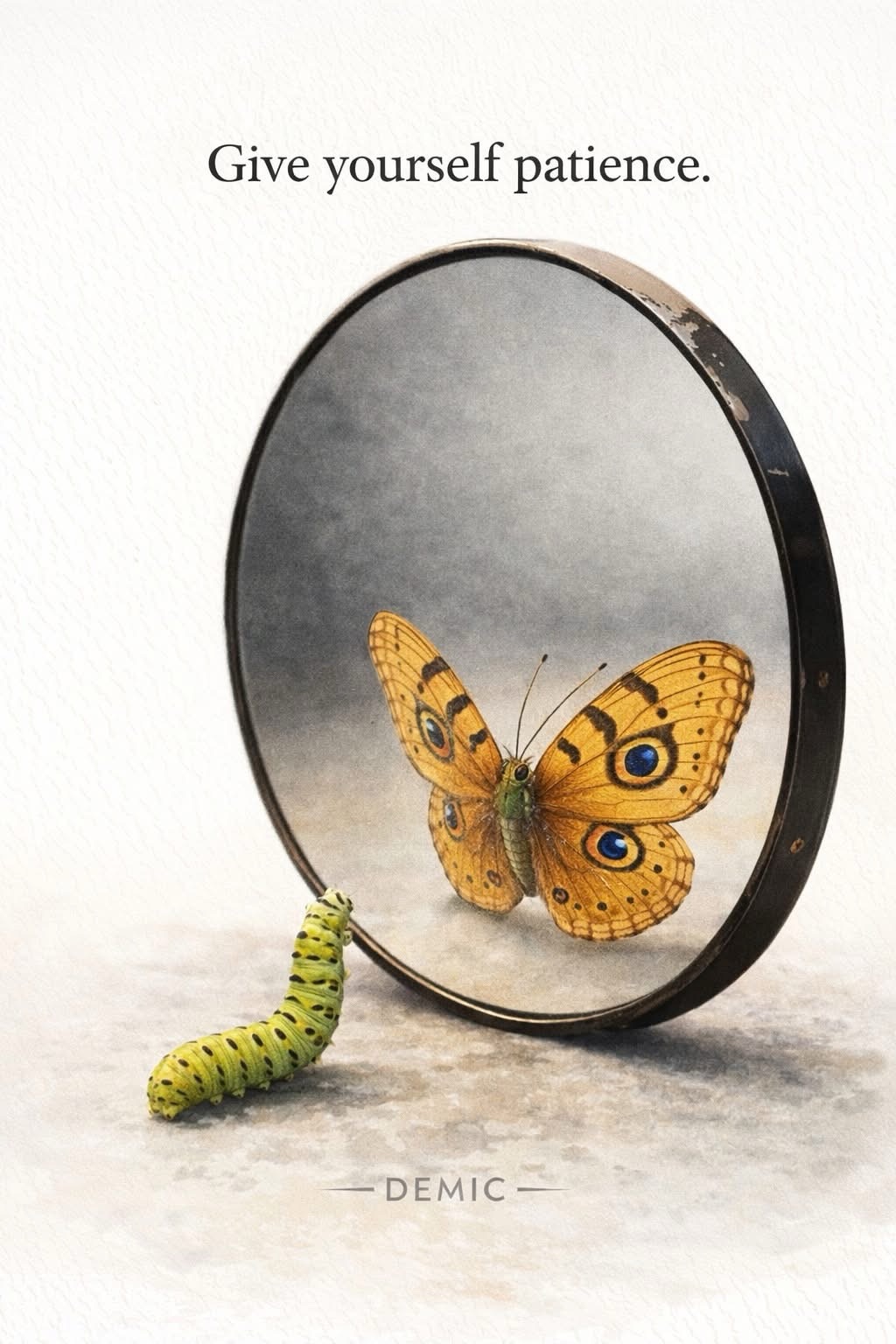
4. And I have resurrected many times – I simply did not recognize it
I have risen after moments when I thought I had collapsed.
I have forgiven when I thought I could not.
I have loved again after being wounded.
I have begun anew when everything seemed lost.
And knowingly or unknowingly, I have received grace from everyone around me—not only family, friends, or colleagues in those remote mountain days, but from every encounter, every circumstance, every life that crossed mine.
That is inner resurrection.
But lacking clarity, I never named it.
I simply thought it was “getting through,” “enduring,” “moving on.”
Now I understand:
Every time I rose after a wound, it was a Resurrection.
5. Gratitude – the bridge between death and Resurrection
I discovered something both strange and deeply true:
As long as I can feel gratitude, I can resurrect.
• Grateful to my Mother → I understand life is a gift.
• Grateful for suffering → I understand inner death is necessary.
• Grateful to those who have passed → they live again in me through memory and love.
• Grateful to all whom I have met—and even those I have never met.
• Grateful to myself → I see I have been braver than I imagined.
Gratitude does not erase suffering,
but it transforms suffering into fertile soil
from which new life can grow.
6. And the closing of this journey of reflection
Now, standing at the age of seventy, I know this body cannot walk another 45-year journey.
But I also know something deeper:
If within my children, my grandchildren, and those I love, gratitude still remains—
then my Resurrection will continue.
Not just for 45 years, but far beyond that.
For as long as they remember me with gratitude,
I will continue to live within them—
just as my ancestors continue to live within me.
And that is the most beautiful form of Resurrection:
a life that transcends the body,
a continuation that requires no miracle,
only love and gratitude.
(Monday morning after Pentecost Sunday, June 25, 2026)


Bình luận về bài viết này