“The ego and the noise in the mind.”
There is a line from Eckhart Tolle that stays with me:
“Most people don’t think. They are being thought.”
It sounds simple,
but if you look deeply,
it touches a truth few dare to face:
We are not living our own lives.
We are living the lives of the voices in our heads.
When we look at the stories in the Social Group,
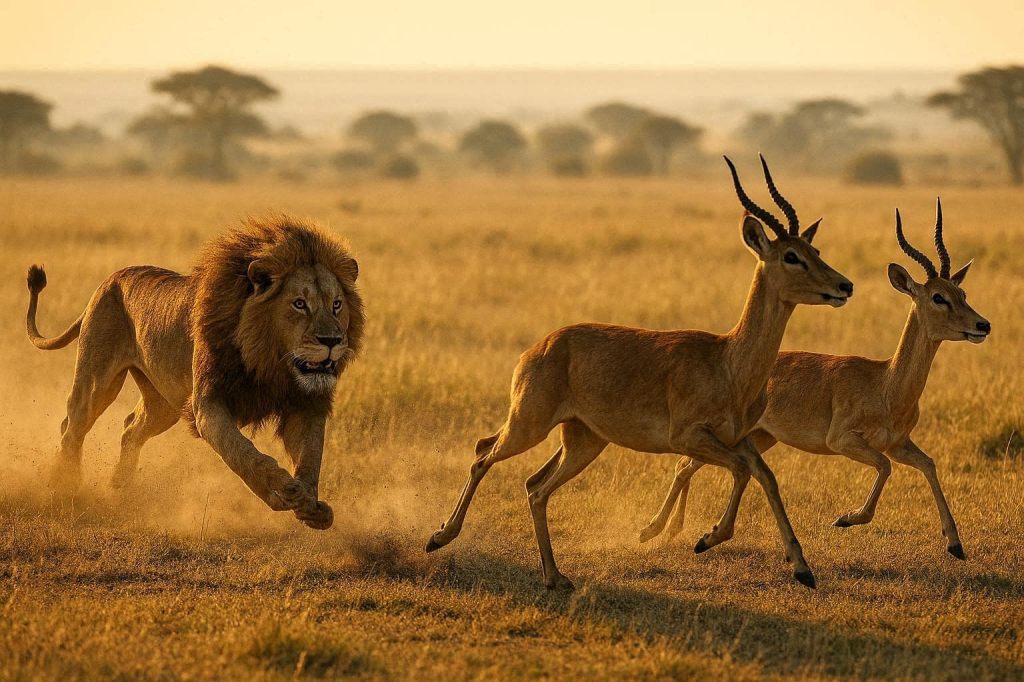
we see many kinds of running:
running from lack,
from loss,
from being forgotten,
from being judged,
from stillness,
from themselves.
But Tolle points to something deeper:
We do not run because of circumstances.
We run because of the ego.
The ego is not arrogance.
Not pride.
Not the loud “I.”
In Tolle’s view, the ego is:
– the noise in the mind
– the stories we tell ourselves
– the fears we carry from the past
– the expectations we inherit from society
– the image we try to protect
– the person we think we must become
The ego is not the enemy.
It is simply an outdated survival mechanism —
a shadow whispering:
“You’re not enough.”
“Be careful, you might lose.”
“People are judging you.”
“You must try harder.”
“Don’t stop.”
“Don’t let anyone pass you.”
And so we run.
Tolle says:
The ego cannot survive in the present moment.
It only survives in the past and the future.
The past to regret.
The future to worry about.
But the present —
the only place we can breathe —
is where the ego has no power.
That is why,
when we are truly present,
the ego becomes silent.
And when the ego is silent,
we no longer need to run.
But how do we silence it?
Tolle does not ask us to meditate for hours.
He does not ask us to renounce everything.
He does not ask us to become enlightened.
He invites us to do something very small:
Look at the noise in the mind —
as a witness.
Not fighting it.
Not pushing it away.
Not trying to change it.
Just looking.
When we look,
we separate ourselves from the noise.
When we separate,
we are no longer controlled by it.
When we are no longer controlled,
we no longer need to run.
Tolle once shared that he reached a point of despair
so deep he wanted to end his life.
In that darkest moment,
he heard a sentence in his mind:
“I can’t live with myself anymore.”
And suddenly he realized:
“If I cannot live with myself,
then are there two of me?”
A small question —
but it opened a lifetime of wisdom.
He saw:
One part of us suffers.
Another part is watching the suffering.
And the one who watches —
is freedom.
Tolle does not teach us how to live.
He simply shows us:
We are not the noise in our heads.
We are the awareness listening to it.
When we see that,
we no longer need to run from fear.
We simply look at it.
And when we look long enough,
fear dissolves —
like mist in the morning sun.
Eckhart Tolle — A Quiet Presence in the Modern World
• Birth name: Ulrich Leonard Tölle
• Born: 1948 (still alive)
• Birthplace: Lünen, Germany
• Nationality: German–Canadian
• Spiritual background / influences:
Not affiliated with any religion.
Deeply influenced by:
– Buddhism (nonself, mindfulness)
– Taoism (presence, naturalness)
– Christian mysticism (“The Kingdom of God is within you”)
– Krishnamurti (freedom from thought and ego)
What makes him unique is this:
He did not follow any system.
He awakened in a single night of psychological collapse —
and from that moment, he lived simply, quietly,
without complex philosophy or doctrine,
only presence.
Impact on the modern world
Eckhart Tolle became one of the most influential voices
in spirituality, psychology, and healing
because he speaks directly to the illness of our age:
• the noise in the mind
• identification with the ego
• the fear of not being enough
• the addiction to busyness
• the endless running
• the loss of connection with oneself
His books The Power of Now and A New Earth
became global phenomena, translated into 50+ languages.
He helps modern people:
• be less controlled by thought
• run less from fear
• detach from achievementbased identity
• react less, stress less
• live more present, more awake
He does not teach “how to live.”
He simply shows why we suffer
and why we keep running without stopping.
And when we see that clearly,
we begin to live differently —
lighter, truer, freer.


Bình luận về bài viết này